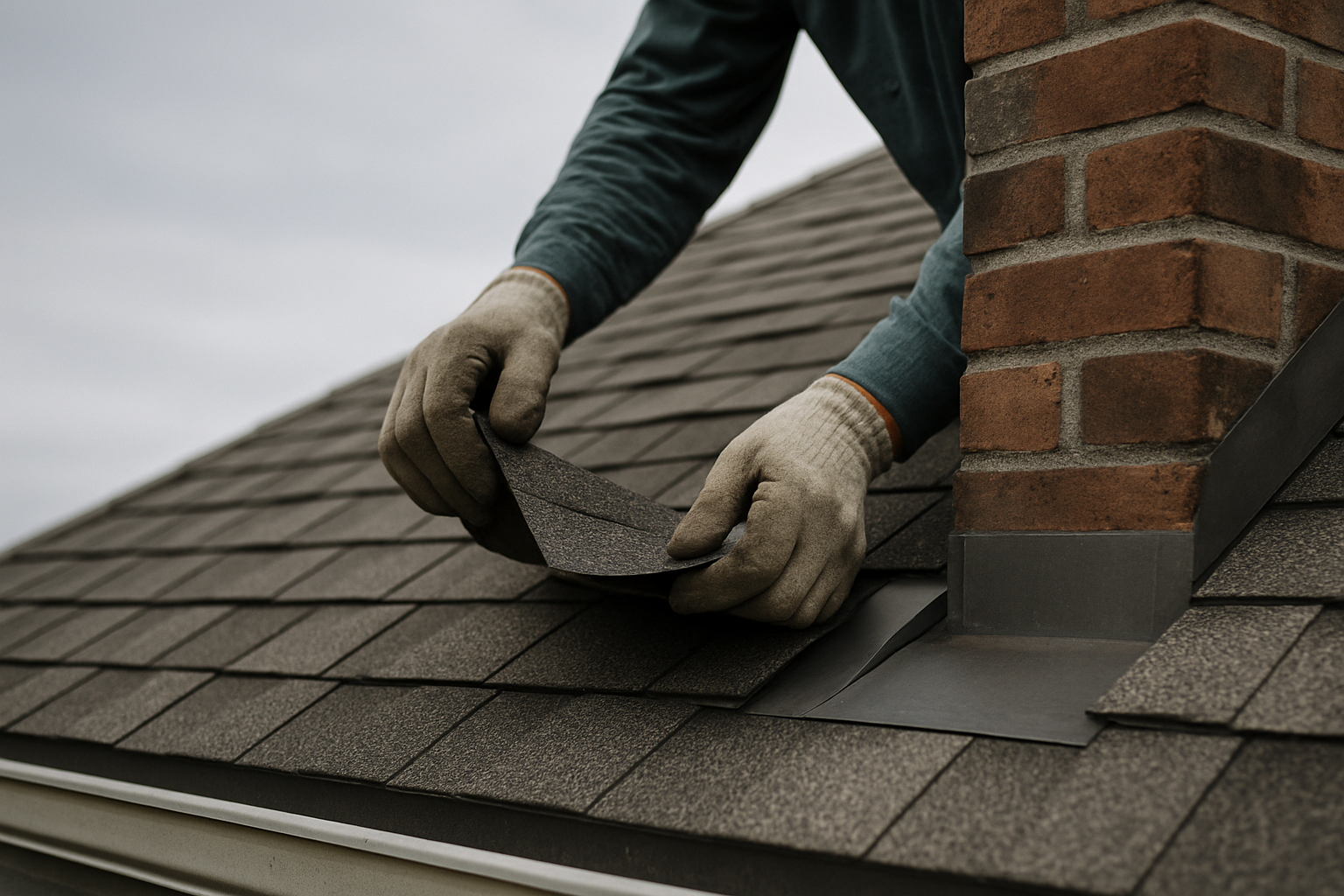
New Jersey roofing code requirements for an Atlantic County roof replacement come down to a few enforceable rules. The state's adopted building code limits a roof to two layers of covering, a construction permit is required and is not negotiable, and coastal, mainland, and Pinelands homes face different wind and moisture conditions a proposal should account for.
This page is written for an Atlantic County homeowner who has a roof proposal in hand, or is about to collect one. It separates the code provisions a municipal inspector will check from the questions you should ask before you sign. Where the code leaves room for judgment, the page says so.
New Jersey roofing code requirements: what the state actually enforces
New Jersey's adopted building code sets enforceable rules for residential roof replacements, and two of them shape almost every proposal in Atlantic County: the layer limit and the permit requirement. A roof is limited to two layers of covering. A construction permit is required for a roof replacement, and the requirement is not optional or negotiable based on how busy a township is.
The layer limit is where the code overrides a sales pitch most directly. An overlay — nailing new shingles over the existing roof — is cheaper because nothing has to be removed and hauled away, and some contractors push it hard for exactly that reason. But once a second layer is on, the next roof has to be a full tear-off no matter what, so an overlay does not avoid the cost of removal. It defers it and adds the weight of an extra layer to the building in the meantime.
The permit is the other rule you can hold a contractor to. Each Atlantic County municipality runs its own construction office, so filing details and lead times vary between, say, Egg Harbor Township and Atlantic City, but the shape of the process is the same: application, permit issued, work performed, inspection by the municipal inspector, permit closed. A proposal that does not name the permit, the filing party, and the inspection step is incomplete on its face.
Tear-off vs. overlay: the two-layer rule is the code talking
| Approach | What it is | What the code means for it |
|---|---|---|
| Overlay | Nail new shingles directly over the existing roof | Cheaper up front; once the second layer is on, the next roof must be a full tear-off |
| Tear-off | Remove the existing roof before installing the new one | Required once two layers exist; exposes deck and flashing problems an overlay hides |
An overlay looks cheaper on the bid because nobody has to remove and haul away the old roof. The catch is that the cost of removal does not go away; it moves to the next job. In the meantime, the building carries a second layer of weight, and the condition of the deck and flashing underneath stays hidden. New Jersey's adopted building code limits a roof to two layers of covering, which is exactly why the layer count belongs in writing before work starts. You can see how a roof replacement in Atlantic County is scoped before you commit to an overlay.
Permits and the municipal inspection: the part of the code you can see
New Jersey requires a construction permit for a roof replacement, and the requirement is not optional or negotiable based on how busy the township is. Each Atlantic County municipality runs its own construction office, so filing details and lead times vary between, say, Egg Harbor Township and Atlantic City, but the shape of the process is the same: application, permit issued, work performed, inspection by the municipal inspector, permit closed.
This is the most checkable code requirement on the page, because the permit and the closed inspection are the record that the work happened on the books. Before you sign, confirm two things in writing: who pulls the permit, and who meets the municipal inspector. A roof replacement proposal that leaves those two names blank is not finished.
Three roofing environments in one county
Atlantic County is three roofing environments wearing one county name, and the code provisions on this page apply differently across them.
| Environment | What drives the roof | What it means for the job |
|---|---|---|
| Barrier islands (Atlantic City, Ventnor City, Margate City, Longport, Brigantine) | Sustained wind, salt aerosol, many narrow attached and semi-attached buildings with low-slope rear sections | Perimeter detailing, enhanced fastening, and corrosion-resistant metal earn their keep; access planning matters because there is often no driveway to stage from |
| Mainland | A more standard exposure | Fastening and detailing must be specified to the address, not to a county-level slogan |
| Pinelands edge | Tree cover, limb strikes, shaded slopes, pine needles | Ventilation intake and gutters have to survive a leaf load, and moisture lasts longer |
On the barrier islands, sustained ocean wind lifts shingle edges and salt air corrodes fasteners years ahead of schedule. Perimeter detailing, enhanced fastening, and corrosion-resistant metal stop being upgrades and become the difference between a roof that holds and one that fails. Access planning also changes the job, because many of these homes have no driveway to stage from.
Inland toward the Pinelands, tree cover means limb strikes, shaded slopes that grow moss, and gutters that pack solid with pine needles every autumn. A roof that was specified for a subdivision in central Jersey is not specified for a bayfront house in Margate, and how we build accounts for that difference.
The point is not that one environment is harder than another. It is that a bid that does not mention the environment the house actually sits in has not been specified for that house.
What should a roof proposal state before you sign?
You do not have to memorize section numbers to vet a proposal. You have to see whether the proposal names the decisions the code and the environment force, instead of burying them under a shingle color and a price. Here is the checklist to run against any bid in Atlantic County:
- Permit and inspection. The proposal should name the construction permit, who pulls it, and who meets the municipal inspector. A roof replacement permit is required in New Jersey, and a closed permit is the record that the work happened on the books.
- Layer count and tear-off. The proposal should state whether the job is a tear-off or an overlay, and what the building's layer count will be when the work is done. New Jersey's adopted code limits a roof to two layers of covering.
- Fastening and metal. The proposal should state the fastening and metal choices for the environment. Near the ocean, enhanced fastening and corrosion-resistant metal earn their keep; a bid should say so rather than assume a mainland standard.
- Ventilation. The proposal should say what ventilation work is included and whether it balances intake with exhaust. A vent count without an intake path is not a ventilation plan.
- Underlayment and flashing. The proposal should name the underlayment and the flashing work, not bury them in "roof included."
- Written price. The proposal should be itemized and in writing before work starts, so the components above are priced, not promised.
The last check is the one the code cannot do for you: the condition of what is under the shingles. The deck, the existing flashing, and the ventilation path are hidden until the roof is opened or inspected from the attic. A free inspection with real photos of your own roof is the cheapest way to see which of these items your current roof already has and which the replacement will have to correct.
Frequently asked questions about the New Jersey roofing code
Does New Jersey require a permit for a roof replacement?
Yes. A construction permit is required for a roof replacement in New Jersey, and the requirement is not optional or negotiable based on how busy a township is. Each Atlantic County municipality runs its own construction office, so filing details and lead times vary, but the process is the same: application, permit issued, work performed, inspection by the municipal inspector, permit closed. Confirm who pulls the permit and who meets the inspector before you sign.
Can I put new shingles over my old roof in New Jersey?
The adopted building code limits a roof to two layers of covering. An overlay puts the second layer on and defers, but does not avoid, the cost of removal; once the second layer is on, the next roof must be a full tear-off no matter what. Overlaying also adds a layer of weight and hides the deck and flashing problems a tear-off would expose.
Why does the environment matter for my Atlantic County roof?
On the barrier islands, sustained wind lifts shingle edges and salt air corrodes fasteners years ahead of schedule, so enhanced fastening and corrosion-resistant metal earn their keep. Inland toward the Pinelands, tree cover means limb strikes, moss, and gutters packed with pine needles. A roof specified for a subdivision in central Jersey is not specified for a bayfront house in Margate.
What does a roof replacement cost in Atlantic County?
For an average Atlantic County home, most homeowners pay somewhere between $9,000 and $25,000 for a complete asphalt replacement. The spread tracks square footage, roof pitch, the number of stories, valleys and penetrations, decking replacement, and whether the old roof is one layer or two.
Who enforces the roofing code in Atlantic County?
The municipal construction office enforces the code through the permit and inspection process. Each Atlantic County municipality runs its own office, so lead times and filing details vary between, for example, Egg Harbor Township and Atlantic City, but the sequence is the same: application, permit, work, municipal inspection, closed permit.